02
Background
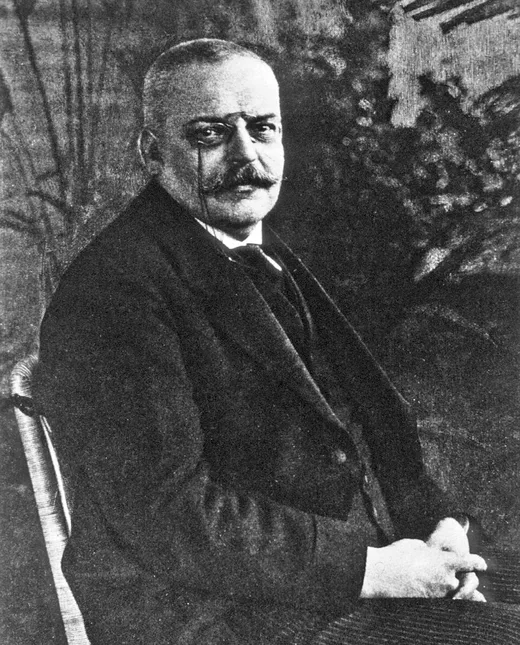
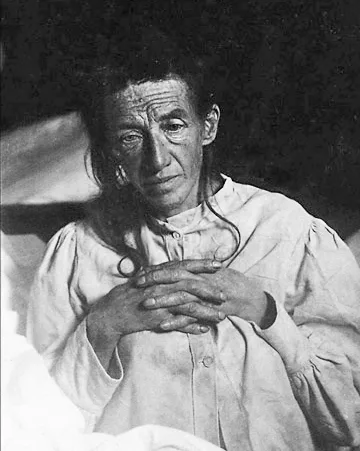
Alois Alzheimer described the disease in 1906. Antibodies that remove amyloid plaque were approved in 2023 and 2024. They slow cognitive decline modestly; they do not stop it.


Genome-wide association studies have found more than 75 risk loci for late-onset Alzheimer's. Many are in genes expressed mainly in microglia, the brain's resident immune cells: TREM2, PLCG2, ABI3, SPI1, MS4A6A. Others are involved in lipid transport (APOE, ABCA7) or endosomal trafficking (BIN1, PICALM, SORL1).

A hypothesis a lab can test names four things: a gene, a cell type, a direction of perturbation, and a measurable readout. Alois produces hypotheses in that form.
03
Method
For each gene it collects six scores between 0 and 1. The translation score is their weighted sum.
| score | source | measures | weight |
|---|---|---|---|
| genetics | Open Targets | genetic association with Alzheimer's | 0.30 |
| literature | PubMed | papers pairing the gene with Alzheimer's, inverted | 0.20 |
| cell type | Human Protein Atlas | enrichment in neurons, astrocytes or microglia | 0.15 |
| pathways | Reactome | membership of pathways implicated by genetics | 0.13 |
| chemistry | Open Targets | small-molecule or antibody tractability | 0.12 |
| trials | ClinicalTrials.gov | prior Alzheimer's trials, penalised if stopped | 0.10 |
Genetics has the largest weight because drug targets with human genetic support are about twice as likely to reach approval (Nelson et al., Nature Genetics, 2015). Literature is inverted so that heavily studied genes rank low; APP scores 0.00 on it.
Direction is not taken from drug mechanisms. Neprilysin inhibitors are approved for heart failure, but neprilysin degrades amyloid-β, so inhibiting it would be the wrong direction. Until the atlas supplies a measured direction, each proposal asks for both knockdown and overexpression.
The six findings are combined into a single 1,024-dimensional vector by circular convolution (a holographic reduced representation): each finding is bound to a role vector and the results are summed. Any finding can be recovered by unbinding with its role. Findings scored absent or against are listed as dissent.
no run yet
04
Atlas
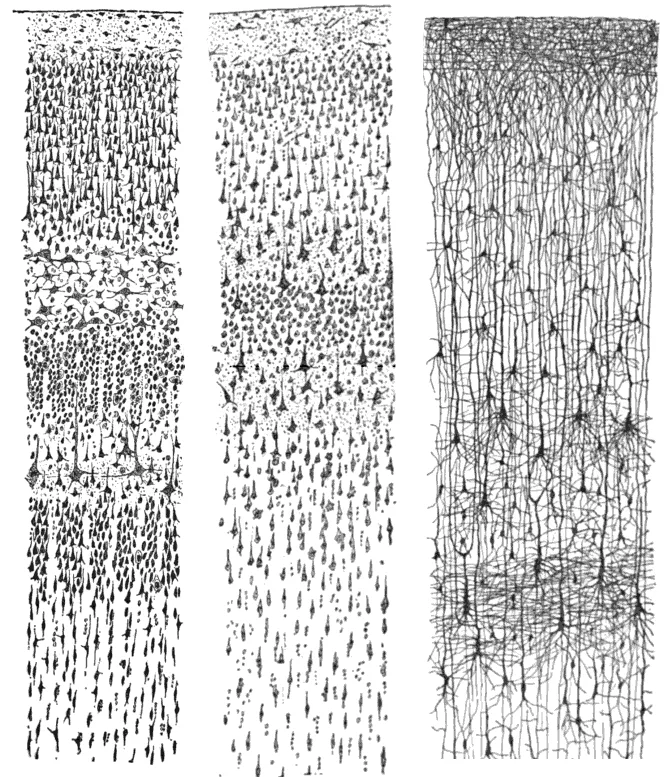
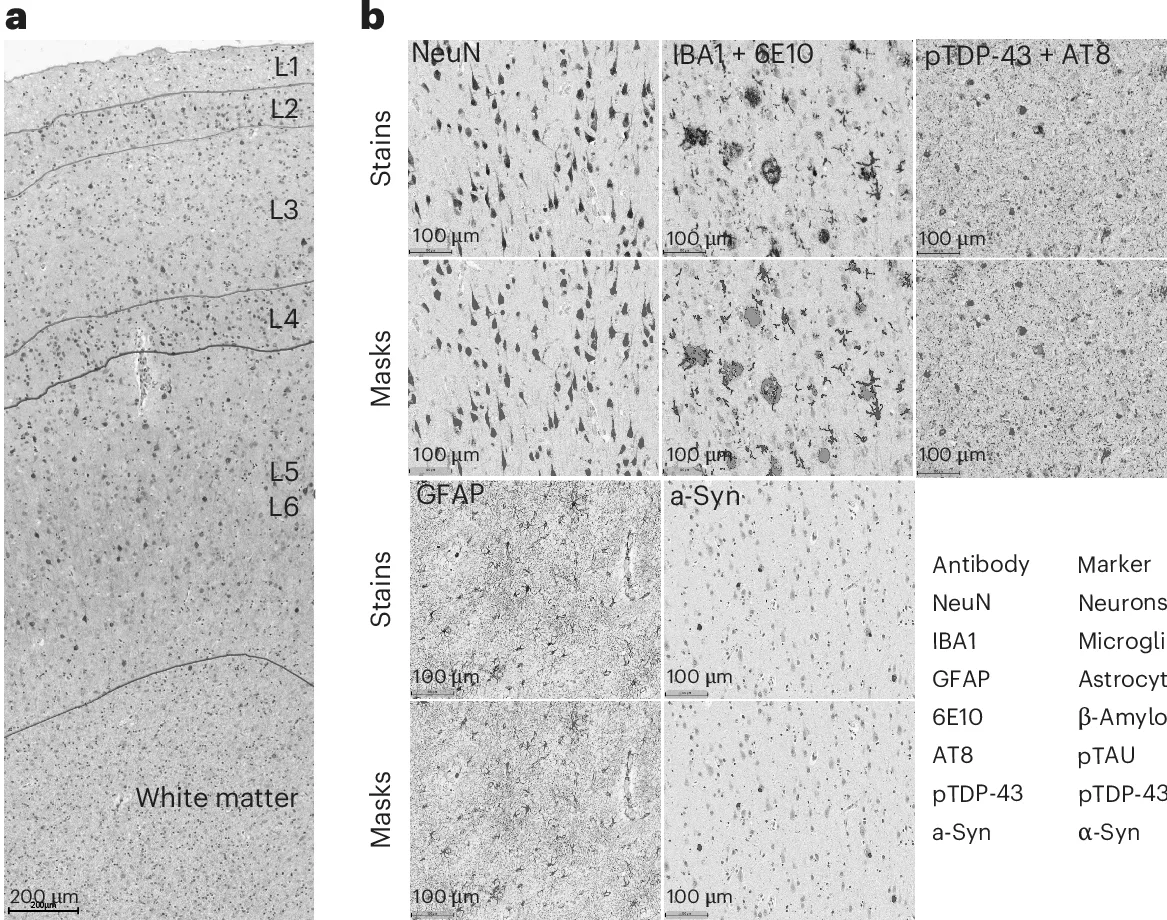
SEA-AD, the Seattle Alzheimer's Disease Brain Cell Atlas from the Allen Institute for Brain Science, is single-nucleus RNA sequencing of the middle temporal gyrus: 1,178,694 nuclei from 84 donors, each with Thal, Braak and CERAD staging and a cognitive diagnosis. Alois is streaming the raw counts from the public archive and summing them per donor and cell type.

connecting
Planned tests: each prediction (gene, cell type, outcome) is hashed before any data is read, tested on a random half of the donors, and must replicate on the other half. Predictions that fail either half get a receipt. One outcome of interest is resilience: donors with high pathology who did not develop dementia.
05
Notebook
Every night at 02:30 UTC it runs the 80 genes with the highest genetic association scores in Open Targets and keeps the top 12.
06
Receipts
A receipt is printed when a translation score is below 0.55, a gene is not found, a source fails mid-run, or a finding can't be recovered from the combined vector. Each receipt contains the hash of the one before it. Your browser recomputes the hashes.
loading
07
Sources
- Gabitto, M. I. et al. Integrated multimodal cell atlas of Alzheimer's disease. Nature Neuroscience 27, 2366–2383 (2024). doi:10.1038/s41593-024-01774-5
- Seattle Alzheimer's Disease Brain Cell Atlas (SEA-AD), Allen Institute for Brain Science. brain-map.org/consortia/sea-ad · raw data on the AWS Open Data registry
- Green, G. S. et al. Cellular communities reveal trajectories of brain ageing and Alzheimer's disease. Nature 633, 634–645 (2024). doi:10.1038/s41586-024-07871-6
- Pan-AD single-nucleus atlas, Swarup Lab, UC Irvine. swaruplab.bio.uci.edu/panad_atlas
- AD Knowledge Portal, Sage Bionetworks. adknowledgeportal.org
- Bellenguez, C. et al. New insights into the genetic etiology of Alzheimer's disease and related dementias. Nature Genetics 54, 412–436 (2022). doi:10.1038/s41588-022-01024-z
- Nelson, M. R. et al. The support of human genetic evidence for approved drug indications. Nature Genetics 47, 856–860 (2015). doi:10.1038/ng.3314
- Alzheimer's Translation Challenge, Prima Mente. primamente.com/challenges
- Open Targets Platform platform.opentargets.org · Human Protein Atlas proteinatlas.org · ClinicalTrials.gov clinicaltrials.gov · PubMed pubmed.ncbi.nlm.nih.gov · Reactome reactome.org
08
Limits
- Nothing here has been tested in a lab. It is not medical advice.
- Predicted readouts come from a fixed table keyed on cell type and pathway, not from data on the gene.
- Searches for short symbols such as APP also match unrelated papers and trials.
- The weights are a choice. Every entry shows the six scores behind it.
- Only genes are investigated, not compounds.